Address
33-17, Q Sentral.
2A, Jalan Stesen Sentral 2, Kuala Lumpur Sentral,
50470 Federal Territory of Kuala Lumpur
Contact
+603-2701-3606
info@linkdood.com
Address
33-17, Q Sentral.
2A, Jalan Stesen Sentral 2, Kuala Lumpur Sentral,
50470 Federal Territory of Kuala Lumpur
Contact
+603-2701-3606
info@linkdood.com


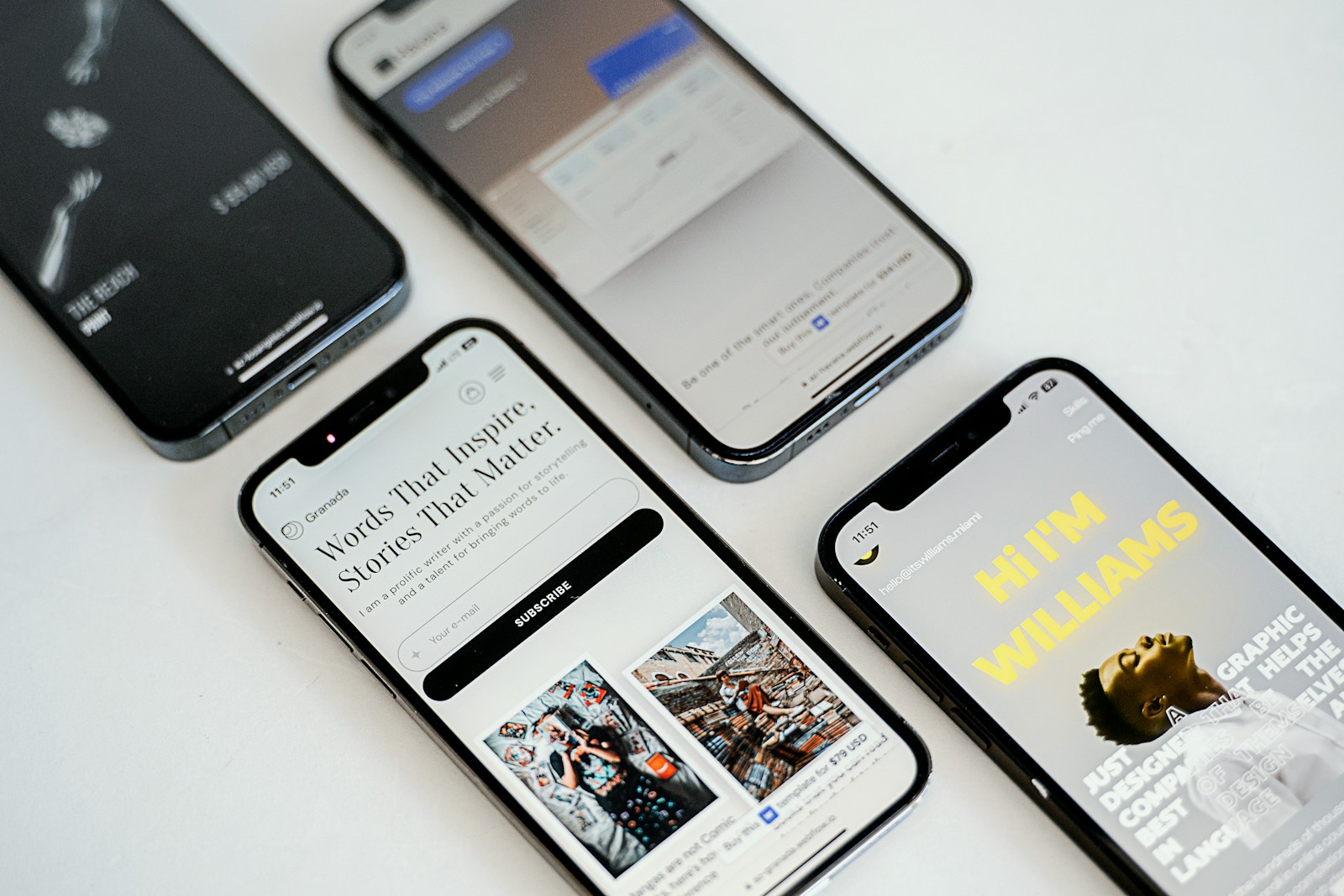
Smartphones have dominated our lives for nearly two decades—but that reign may be nearing its end. As artificial intelligence continues to evolve, tech giants are laying the groundwork for a world where A.I. companions replace the device we’ve come to depend on most.
Here’s what’s happening, why it matters, and what the post-smartphone world could look like.

1. Screenless Assistants
OpenAI is reportedly working on a wearable, screenless A.I. device designed with a focus on ambient intelligence. The idea? A discreet, voice-activated companion that lives with you—constantly learning and responding to your environment.
2. Smartglasses and Superintelligence
Companies like Meta are racing to develop smartglasses powered by advanced A.I. systems. These devices aim to provide context-aware assistance, giving you real-time information through voice or visuals without ever pulling out a phone.
3. A New Race to Reinvent the Future
Tech visionaries believe the next trillion-dollar opportunity lies in creating the true successor to the smartphone. Whether it’s glasses, pins, or earbuds—whoever gets it right could reshape the way billions of people interact with technology.
| Smartphone Era | A.I. Companion Era |
|---|---|
| Screen-based interaction | Voice and gesture-based interaction |
| Apps and manual input | Context-aware, proactive assistance |
| All-in-one device | Modular, wearable companions |
| Daily charging and scrolling | Passive, efficient engagement |
1. Will smartphones disappear completely?
Not immediately. The transition will take years and likely begin with hybrid experiences. But their dominance is beginning to fade.
2. What are companies doing to prepare?
Big tech firms are investing heavily in wearables, A.I. hardware, and software platforms designed for more intuitive, screen-free use.
3. Is Apple falling behind?
Apple continues to innovate cautiously. It still champions the iPhone but is exploring how A.I. can be integrated into accessories and next-gen devices.
4. What are the challenges ahead?
Battery life, privacy concerns, interface usability, and user trust are major hurdles that need solving before these devices can go mainstream.
5. Will these devices replace phones entirely?
In the long term, some may. For now, many A.I. wearables will still rely on smartphones for connectivity and data syncing.
6. Why is this shift happening now?
A.I. has advanced rapidly in recent years, and people are increasingly open to alternatives that reduce screen time and enhance real-world interaction.
The smartphone isn’t dying—it’s evolving. In the near future, the way we access information, communicate, and use technology will become more natural, more human, and less tethered to a glowing screen.
Whether it’s smartglasses, wearable pins, or invisible assistants, the next wave of devices will blend seamlessly into our lives—powered by A.I., and designed to help us live more intentionally.
The revolution has already started. Are you ready for what’s next?

Sources The New York Times


