Address
33-17, Q Sentral.
2A, Jalan Stesen Sentral 2, Kuala Lumpur Sentral,
50470 Federal Territory of Kuala Lumpur
Contact
+603-2701-3606
info@linkdood.com
Address
33-17, Q Sentral.
2A, Jalan Stesen Sentral 2, Kuala Lumpur Sentral,
50470 Federal Territory of Kuala Lumpur
Contact
+603-2701-3606
info@linkdood.com


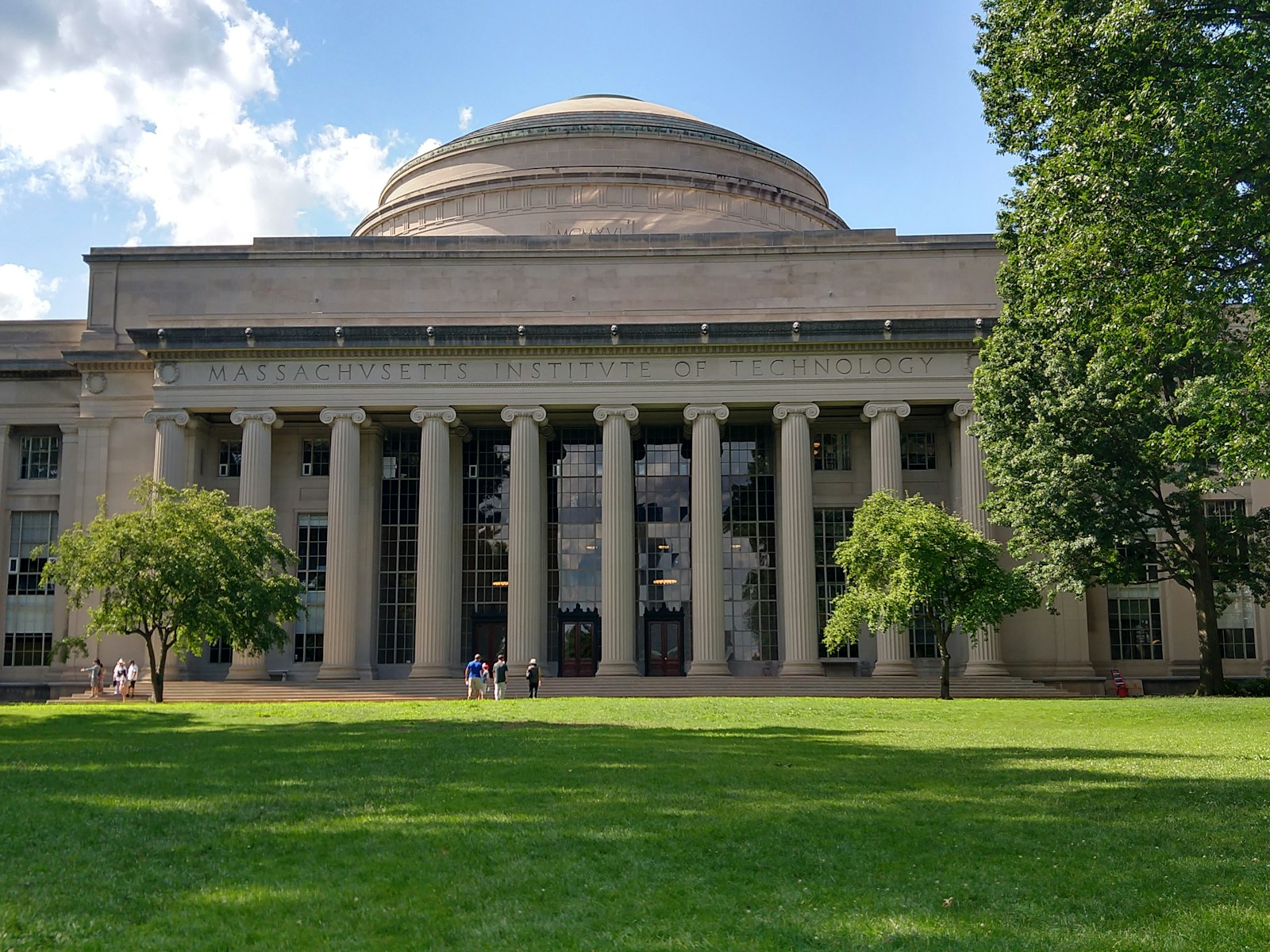
At MIT, a once-modest elective titled AI and Machine Learning for Engineering Design has swiftly become a campus favorite. Guided by Professor Faez Ahmed, students from across disciplines—from mechanical engineering to urban planning and management—use AI tools to redesign everything from bike frames to cat trees and city grids.
The appeal? A learning environment powered by real-world challenges and live leaderboards, where students push the boundaries of design using machine learning, optimization, and friendly competition. Projects often lead to academic publications and even awards—underscoring how education can merge seamlessly with innovation.

MIT’s engineering class exemplifies how academic settings can incubate innovation:
1. What is generative design?
A computational method that automatically generates optimized design solutions based on specified objectives and constraints such as weight, strength, or manufacturability.
2. How do AI design agents work?
They combine vision-language models, LLMs, and deep learning to automate stages like sketching, simulation, and iterative refinement—empowering rapid design cycles.
3. Where do LLMs fit into design?
LLMs interpret natural language prompts to generate design code or documentation—bridging human intent with machine execution.
4. What’s the edge of surrogate models?
By predicting design outcomes faster than traditional simulations, they allow engineers to explore designs swiftly and cost-effectively.
5. Are students ready for real-world AI design?
Yes. MIT student projects on diverse design problems often produce publishable and even award-winning work—demonstrating readiness for industry challenges.
6. What hurdles remain?
Data quality, computational power, interpretability, and industry-specific constraints still limit broader adoption.
AI and machine learning are reshaping how we conceive, optimize, and deliver design. The margin between classroom and innovation is evaporating—and soon, most design challenges will begin with a prompt, not a blueprint.
As the next generation of engineers embrace AI-powered creativity, the future of design won’t just be smarter—it will be infinitely more imaginative.
Sources MIT News


