Address
33-17, Q Sentral.
2A, Jalan Stesen Sentral 2, Kuala Lumpur Sentral,
50470 Federal Territory of Kuala Lumpur
Contact
+603-2701-3606
info@linkdood.com
Address
33-17, Q Sentral.
2A, Jalan Stesen Sentral 2, Kuala Lumpur Sentral,
50470 Federal Territory of Kuala Lumpur
Contact
+603-2701-3606
info@linkdood.com


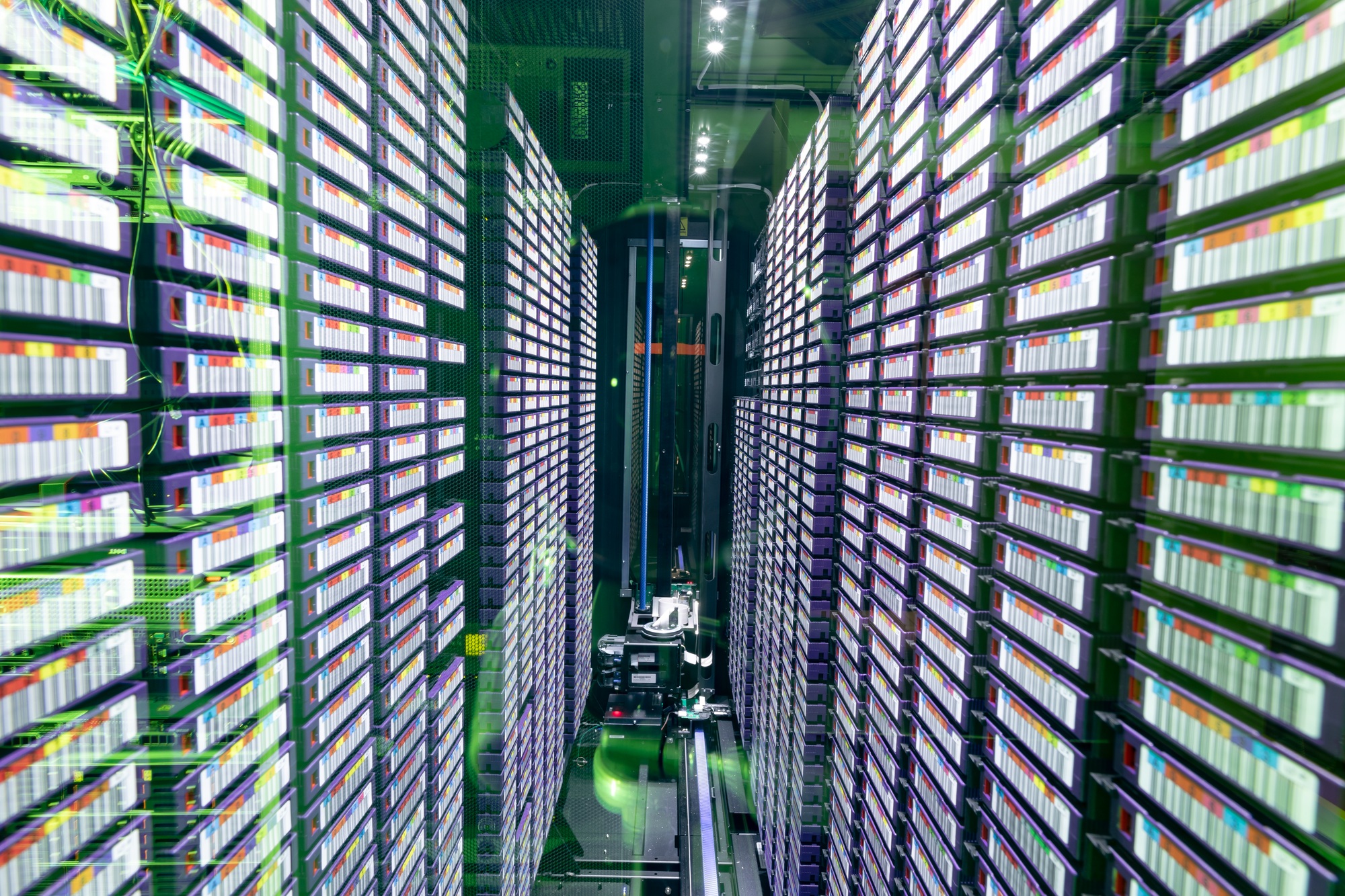
As generative AI reshapes industries, demand for raw compute power is skyrocketing. Analysts estimate that by 2030, global data center investment must reach $6.7–7 trillion, with $5.2 trillion dedicated solely to supporting AI workloads. This equates to a data center capacity of over 200 GW, roughly triple today’s global footprint.
AI-ready data centers—built to host dense clusters of GPUs—are projected to represent 70% of all new capacity by 2030, with generative AI alone accounting for roughly 40% of total demand.
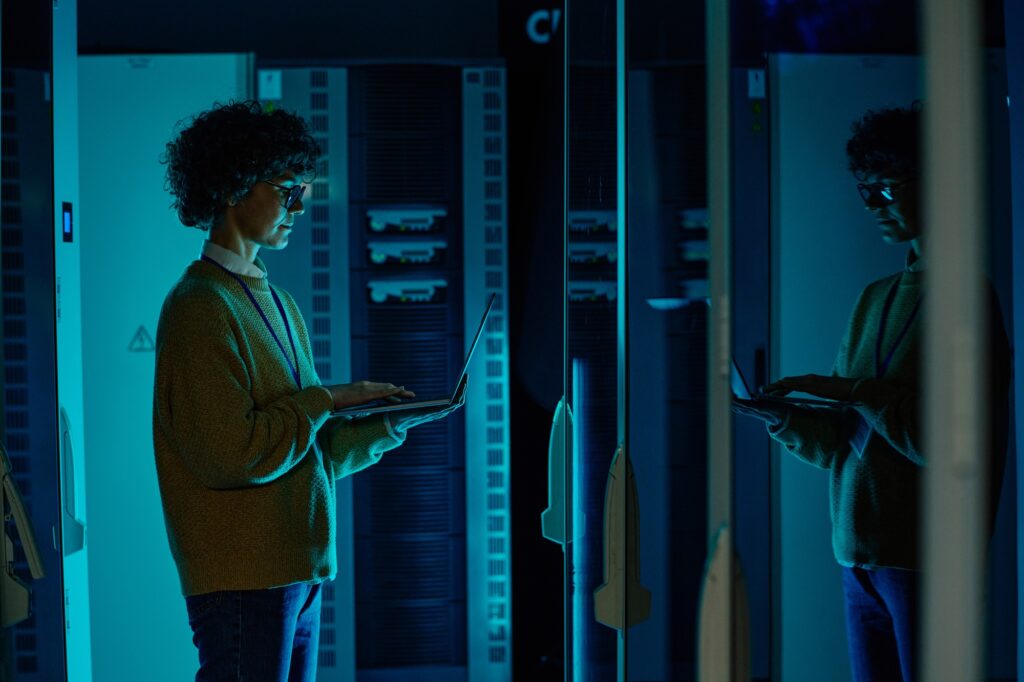
Global power demand from AI data centers is projected to climb 165% by 2030, compared to 2023 levels. In the U.S., data center electricity use may grow from approximately 150 TWh to 560 TWh in five years, representing a significant portion of national electricity consumption.
By 2025, AI systems alone may consume over 82 TWh annually—comparable to the total electricity usage of entire countries.
Modern AI data centers often require 200–240 kW per rack, leading to upgrades in electrical, cooling, and backup systems. Their impact is felt environmentally as well: U.S. data centers currently account for 4% of national electricity use, producing over 100 million metric tons of CO₂ annually.
Water use is also under scrutiny. AI cooling systems could consume 4–6 billion cubic meters of water annually by 2027—equivalent to the annual consumption of some large nations. A single facility can use up to 2 million liters per day, potentially stressing municipal supplies.
The largest technology companies are driving record-level investments:
However, some financial analysts have voiced concern over potential overbuilding and the risks of overcapacity, comparing the AI data center surge to past infrastructure bubbles.
Countries are racing to secure a slice of the AI compute boom:
Location choice is increasingly dictated by access to power, climate suitability for cooling, regulatory stability, and water availability.
To address sustainability, the industry is adopting:
Despite these innovations, many experts caution that improved efficiency may actually lead to higher total consumption—a phenomenon known as the rebound effect.
Q1: Why all this investment in data centers?
AI workloads need massive compute and memory bandwidth, which only advanced hyperscale data centers can provide. Companies are building ahead of demand to secure dominance.
Q2: How much electricity will AI data centers use by 2030?
Projections suggest global AI-related data center electricity use could top 1,000 TWh, or up to 4% of global electricity supply—more than most industrial sectors.
Q3: Which regions bear the most environmental risk?
Regions with limited water supply or constrained grids—such as parts of Texas, India, and Spain—face the biggest challenges in hosting large-scale AI infrastructure.
Q4: Will governments regulate AI power use?
Yes. Utilities and lawmakers are beginning to impose requirements on data center operators to fund grid expansion, use clean energy, and report environmental impact metrics.
Q5: Is overinvestment likely?
Some analysts believe it is. If AI use fails to grow as expected or efficiency gains reduce infrastructure demand, facilities could be underused.
Q6: Can data centers be sustainable at scale?
With thoughtful design and clean energy, data centers can become more sustainable. But the industry must scale smarter, not just bigger, to reduce long-term environmental impact.
AI’s hunger for power and compute is transforming global infrastructure. The race to build AI-ready data centers is intense, expensive, and sprawling across continents. As we push technological boundaries, the challenge isn’t just scale—it’s doing it sustainably, efficiently, and responsibly.

Sources Financial Times


