Address
33-17, Q Sentral.
2A, Jalan Stesen Sentral 2, Kuala Lumpur Sentral,
50470 Federal Territory of Kuala Lumpur
Contact
+603-2701-3606
info@linkdood.com
Address
33-17, Q Sentral.
2A, Jalan Stesen Sentral 2, Kuala Lumpur Sentral,
50470 Federal Territory of Kuala Lumpur
Contact
+603-2701-3606
info@linkdood.com


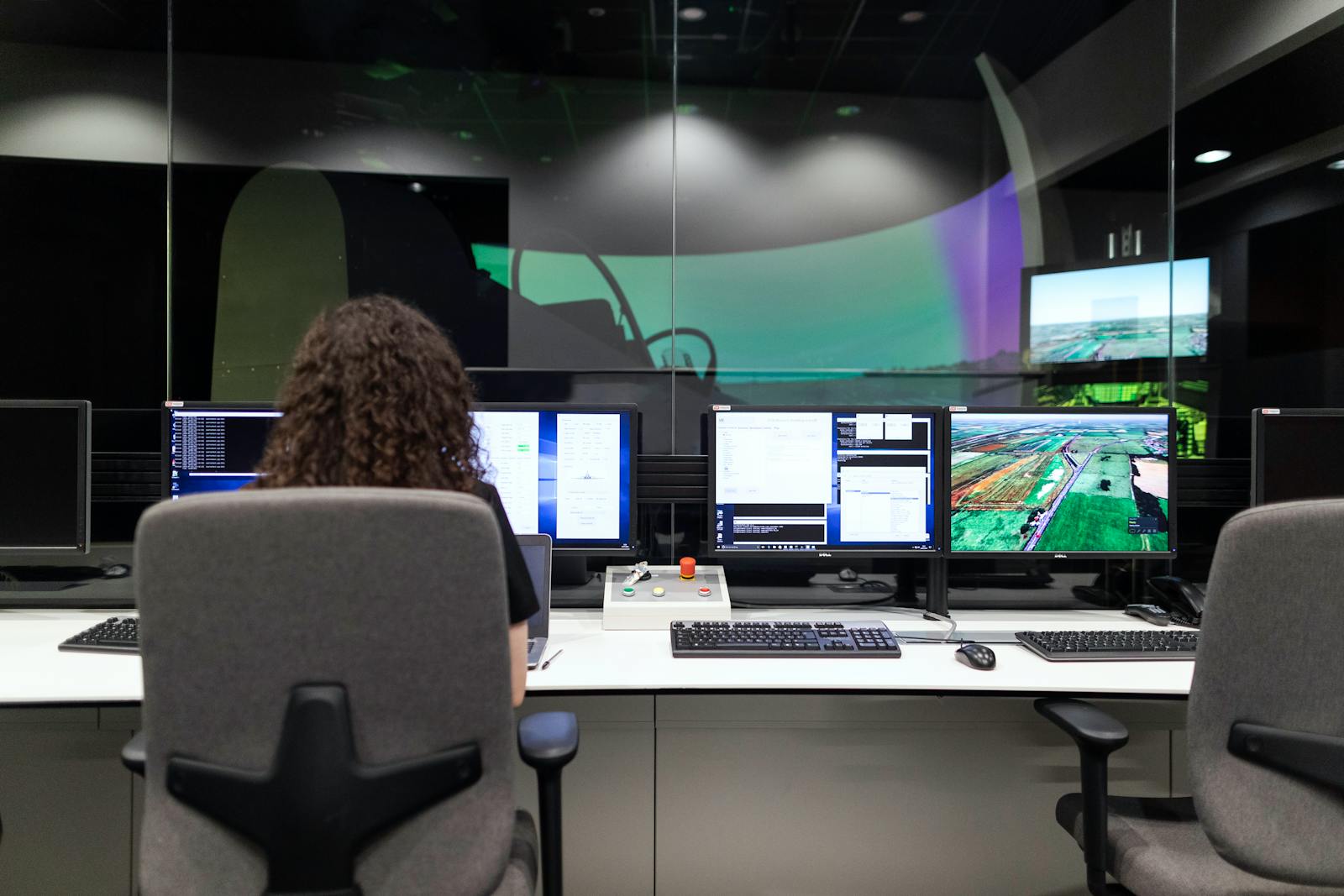
Wholesale electricity costs near AI data-center hubs have surged as much as 267% over the past five years. That jump is just the tip of the iceberg. Beneath it lie structural challenges in grid planning, energy supply, and sustainability that could reshape how artificial intelligence scales.

AI data centers are consuming unprecedented amounts of power. Global electricity demand from these centers is expected to more than double in the next decade. In the U.S. alone, capacity may nearly double by 2035. This sharp growth is already straining utilities.
AI centers often cluster in power-rich regions. But grid infrastructure—lines, substations, transformers—can’t always keep up. This leads to congestion, bottlenecks, and premium pricing for power near these hubs.
With electricity as one of the biggest costs in data center operations, rate hikes ripple outward. Providers negotiate special contracts with utilities or pass higher costs on to cloud customers and, ultimately, to businesses and consumers.
Hardware improvements and cooling innovations help, but not enough to outpace skyrocketing demand. Even with efficiency, overall data center power use is forecast to rise sharply each year.
Building new transmission lines and substations can take a decade, while AI demand grows far faster. Workloads also fluctuate unpredictably, stressing both stability and pricing in wholesale electricity markets.
Data centers generate massive waste heat. In cooler regions, some facilities recycle it to warm buildings, but this requires new infrastructure. In warmer areas, cooling demands add even more power consumption.
Cooling systems require huge amounts of water. In water-scarce regions, this poses an additional sustainability challenge and can pit industry needs against community resources.
| Strategy | Role / Benefit |
|---|---|
| On-site generation & microgrids | Relieve grid pressure and hedge energy costs |
| Demand response & load shifting | Avoid running peak workloads during high-stress periods |
| Smarter siting | Build near abundant renewable power or underused capacity |
| Heat recovery | Reuse waste heat for nearby communities |
| Efficiency improvements | Better chips, smarter cooling, optimized scheduling |
| Grid investment | Expand and modernize lines, substations, storage |
| Fair cost allocation | Ensure data centers pay their share of infrastructure upgrades |
| Dynamic pricing | Encourage flatter, less volatile demand curves |
Q: Why are power prices rising so fast near data centers?
Because clustered demand outpaces local grid capacity, forcing reliance on expensive upgrades and peak generation.
Q: Could AI demand “crash the grid”?
Not everywhere, but localized blackouts, instability, or brownouts are possible in overstressed regions.
Q: Won’t efficiency solve the issue?
No. Efficiency helps, but demand is growing faster than savings can offset.
Q: Who should pay for new grid infrastructure?
Debates are ongoing. Many argue companies driving demand should contribute more, rather than shifting costs to households.
Q: Can data centers actually help the grid?
Yes. With demand-response systems, centers can reduce load at peak times and stabilize energy markets.
Q: Will renewables cover this demand?
Not on their own. Renewable expansion must be paired with storage, nuclear, and new transmission capacity.
Q: Are some regions refusing more data centers?
Yes. In places with weak grids, governments have paused expansion until energy systems catch up.
Q: Is this a temporary spike?
No. AI energy demand is projected to grow steadily for at least the next decade.
AI is not just reshaping technology—it’s reshaping electricity markets and infrastructure. The surging costs around data centers highlight the imbalance between computing ambition and energy readiness.
For AI to scale sustainably, industry and governments must move beyond short-term fixes. Smarter siting, renewable integration, better grid planning, and fairer cost sharing will be essential. Without them, the promise of AI risks being undermined by the price of power itself.

Sources Bloomberg


