Address
33-17, Q Sentral.
2A, Jalan Stesen Sentral 2, Kuala Lumpur Sentral,
50470 Federal Territory of Kuala Lumpur
Contact
+603-2701-3606
info@linkdood.com
Address
33-17, Q Sentral.
2A, Jalan Stesen Sentral 2, Kuala Lumpur Sentral,
50470 Federal Territory of Kuala Lumpur
Contact
+603-2701-3606
info@linkdood.com


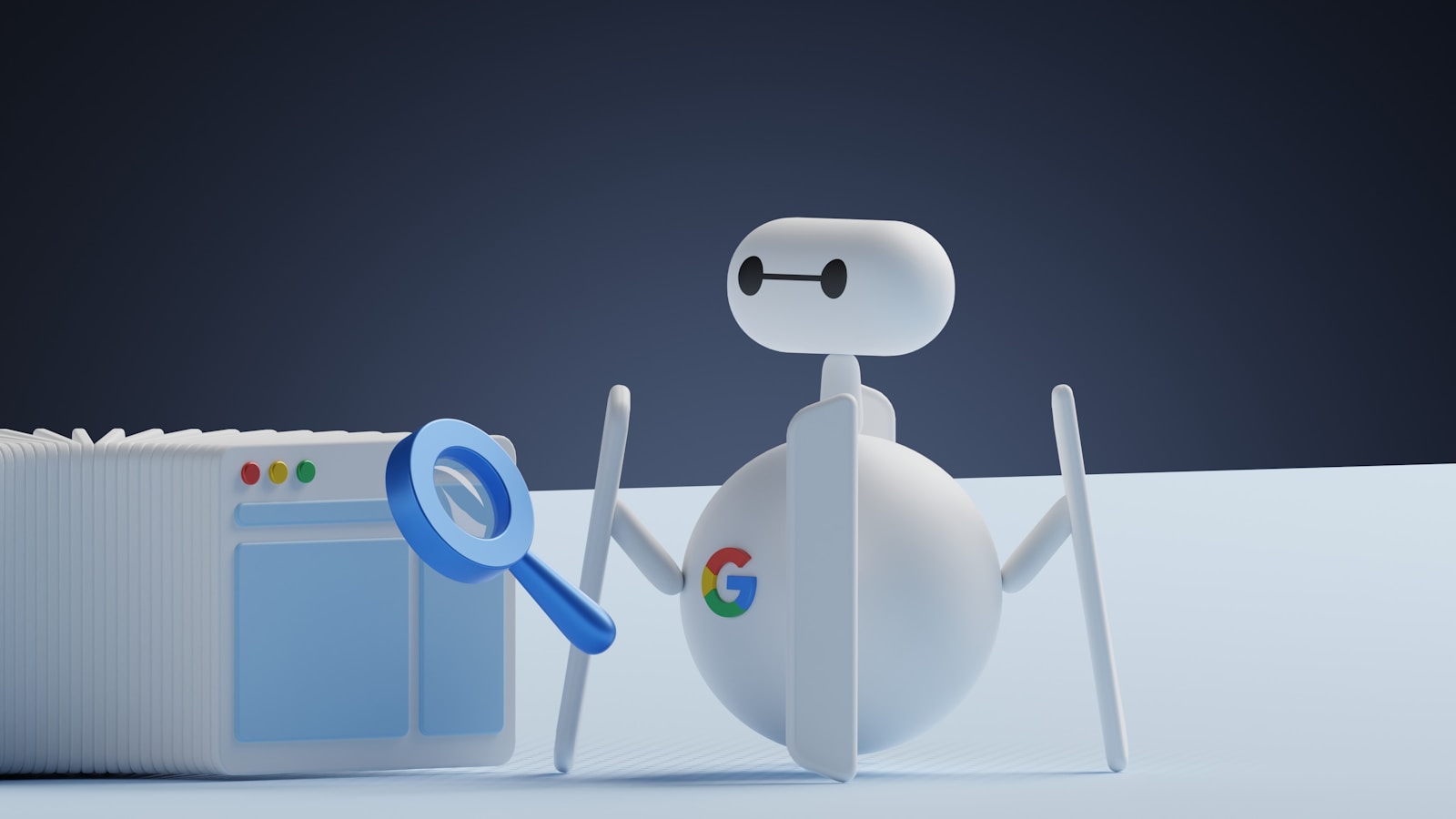
In October 2025, Google DeepMind unveiled a new variant of its AI — Gemini 2.5 Computer Use — that can act inside a web browser much like a human: clicking buttons, filling forms, navigating pages, dragging elements. This marks a step beyond passive reasoning toward agentic digital interaction, where AI doesn’t just answer your query — it does something on your behalf.
While Google’s official announcement introduces the concept, there’s more beneath the surface: what challenges it enables, what limitations remain, how it compares to alternatives, and what risks to watch. Below is a more comprehensive dive.

Gemini 2.5 Computer Use is a specialized AI model built on top of Gemini 2.5 Pro, optimized to interact with user interfaces (UIs) such as websites and web apps. Its capabilities include:
This “inside-browser agent” approach is particularly suitable for automating tasks on web apps that lack APIs, legacy interfaces, or public endpoints.
Gemini Computer Use allows AI to operate in environments where only human input is currently supported, such as legacy web interfaces and SaaS dashboards without modern API access.
The model can make decisions based on visual context—identifying which buttons to press or fields to fill out—reducing reliance on brittle, code-based selectors.
The model reportedly outperforms other web-interacting AI agents on a wide range of real-world tasks and internal benchmarks.
Because it operates only within browser environments, its actions are sandboxed—reducing risk of system-level manipulation or security breaches.
click(button_x) or type(field_y, "hello world").| Revealed | Unknown / Open Questions |
|---|---|
| Browser-only limitation | Depth of DOM manipulation |
| Developer preview via AI Studio & Vertex AI | Pricing and rollout timeline |
| Enhanced safety via UI sandboxing | Error handling and resilience |
| Superior benchmark performance | Model’s adaptability to changing websites |
Web pages evolve frequently. If a button moves or a form field changes, the AI could fail or click the wrong thing.
Websites often use bot detection systems. AI models that try to automate human-like interaction must navigate (but not abuse) these systems ethically.
If a malicious website tricks the agent, it could enter sensitive information into the wrong fields.
When automating personal tasks, the AI may access user data. Clear permissions, encryption, and privacy protocols are essential.
Users should always know when an AI is acting on their behalf, especially in systems involving money, identity, or authority.
Bad actors could use this technology for web scraping, spam, or unauthorized automation if not tightly controlled.
Q1. Does Gemini Computer Use control the entire computer?
No. It’s confined to actions within a browser—clicking, typing, scrolling—nothing system-wide.
Q2. Can developers use it now?
Yes, but in preview mode through Google’s AI Studio and Vertex AI platform.
Q3. What actions can it perform?
Roughly 13 standardized browser actions like click, scroll, drag, type, and submit.
Q4. Can it handle CAPTCHA or login pages?
It may handle simple ones, but isn’t designed to bypass security measures. Ethical use is a key focus.
Q5. How does it compare to other AI agents?
It reportedly outperforms other models on UI interaction tasks, especially in visually complex environments.
Q6. Can it adapt to dynamic sites?
To an extent. But dynamic or constantly changing layouts remain a challenge and may cause breakdowns.
Q7. Is it safe?
Yes, within its browser-only sandbox. But safeguards, logging, and limits are necessary to prevent misuse.
Q8. Will it replace APIs?
Not entirely. For high-performance or secure tasks, backend APIs are still preferred. This is best for legacy or inaccessible interfaces.
Gemini 2.5 Computer Use is a strong step toward giving AI the ability to interact with digital environments in a flexible, human-like way. In the future, expect:
Gemini’s Computer Use variant signals a shift: AI is no longer just answering questions—it’s beginning to act. With the right balance of capability, safety, and control, this could revolutionize how we automate everyday digital work.
Sources Google


